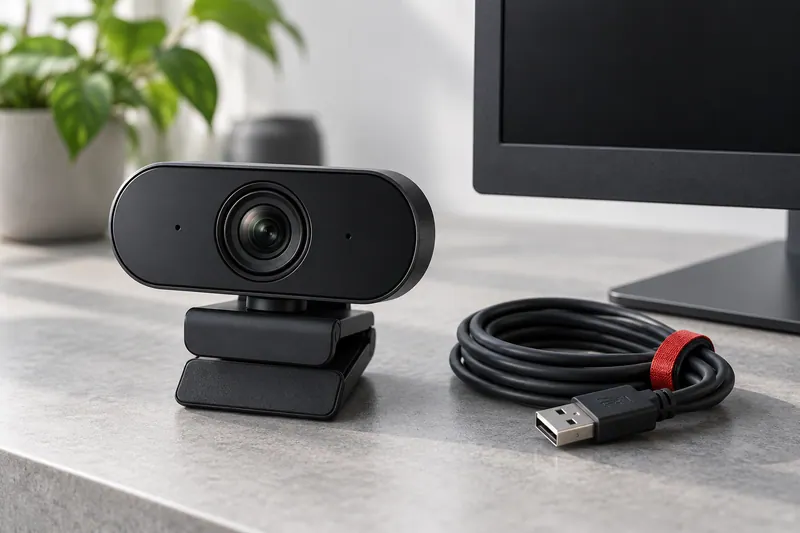
A useful quality report names the device, browser, network context, and observation method.
Separate a label from a measurement
Ask whether a quality claim describes a possible maximum, the source camera, a selected mode, or the actual received video. Those are not interchangeable observations. A page should explain what was measured rather than rely on a prominent badge.
The browser's media APIs can expose current track settings, but the fields available depend on the track and context. A technical readout needs an explanation of what it represents; it should not become an unsupported claim about an entire service.
Reference: MDN: actual media track settings (opens in a new tab)
Describe what was observed
Record whether text and movement were clear, whether the picture paused, and whether audio and video remained usable together. Explain the test conditions. A subjective description can be helpful when it is honestly presented as an observation, not converted into a fabricated numerical score.
WebRTC specifications and documentation describe media tracks and remote streams. They do not establish a universal minimum connection speed or prove that every service uses the same delivery path. Provider requirements still need their own current source.
Reference: W3C: real-time communication in browsers (opens in a new tab) · WebRTC: remote media streams (opens in a new tab)
Make a comparison repeatable
Use the same device and browser for a first comparison, note the network context, and record when the observation took place. If a result changes, report the change instead of selecting only the more attractive outcome.
A useful review also separates evidence from interpretation. For example, a pause was observed under specified conditions is narrower than a claim that a provider is unreliable. The first can be documented without pretending that one visit represents every user.
What a quality note should contain
- Device model, operating system, browser, and date.
- What the label or measurement actually represents.
- Network context and any known competing activity.
- Observed limitations, including uncertainty and failed checks.
- A clear distinction between provider advertising and original evidence.
Questions & answers
Does a 4K label guarantee a 4K result on my device?
No. Read what the claim refers to and check the actual context and requirements. This guide makes no provider-wide resolution guarantee.
Has LiveCamVerdict quality-tested every provider?
No. The current publication provides sourced guides. Completed provider testing will be identified separately when available.
Sources & further reading
- MDN: actual media track settings (opens in a new tab)
- W3C: real-time communication in browsers (opens in a new tab)
- WebRTC: remote media streams (opens in a new tab)
References support the specific technical points identified above, not an endorsement of any platform. Consult current documentation for your device and browser.